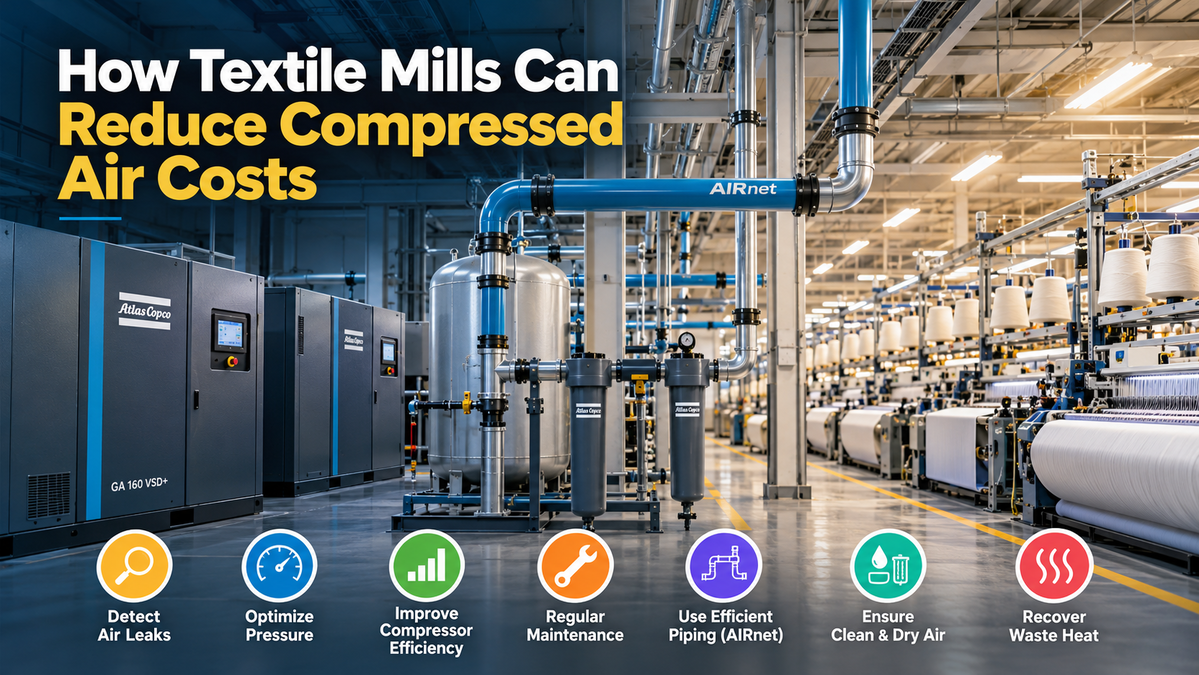
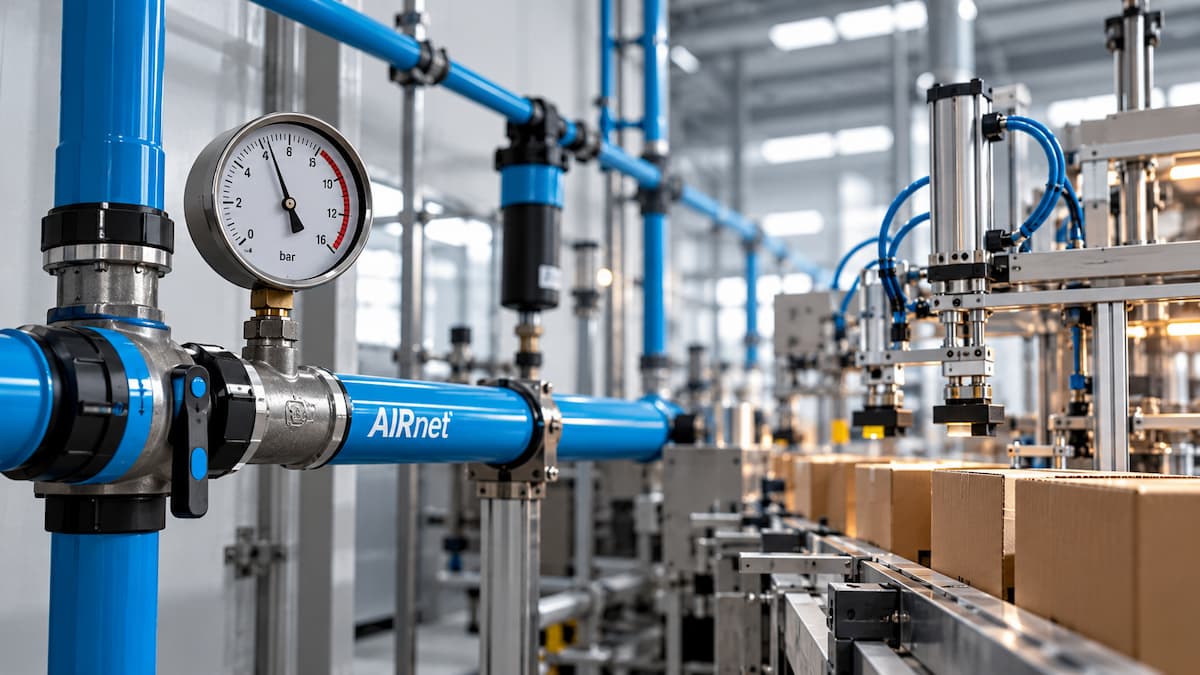
Compressed air is one of the most widely used forms of energy in industrial operations. It powers tools, machinery and processes across nearly every manufacturing sector. Because of how essential it is, compressed air is often referred to as the fourth utility, alongside electricity, water and gas. Without it, many production lines would be unable to function.
This wide use comes with a significant cost. Producing and maintaining a supply of compressed air is more expensive than most businesses realize. Industry estimates suggest that around 10 percent of all energy used in the industrial sector goes toward compressed air generation. Across an entire industry, this adds up to a substantial amount of money spent every year simply to keep compressed air systems running.
For this reason, businesses looking to reduce compressed air costs should focus primarily on energy consumption. Energy use has a far greater impact on total cost than any other single factor. In a typical compressed air system, approximately 80 percent of the total cost of ownership comes from energy consumption. The remaining costs, including the initial purchase of the compressor and ongoing maintenance, make up a much smaller share. This is an important point for any business evaluating how to lower its compressed air expenses. The equipment purchase price is only a small part of the overall financial picture.
A Complete View of a Compressed Air System
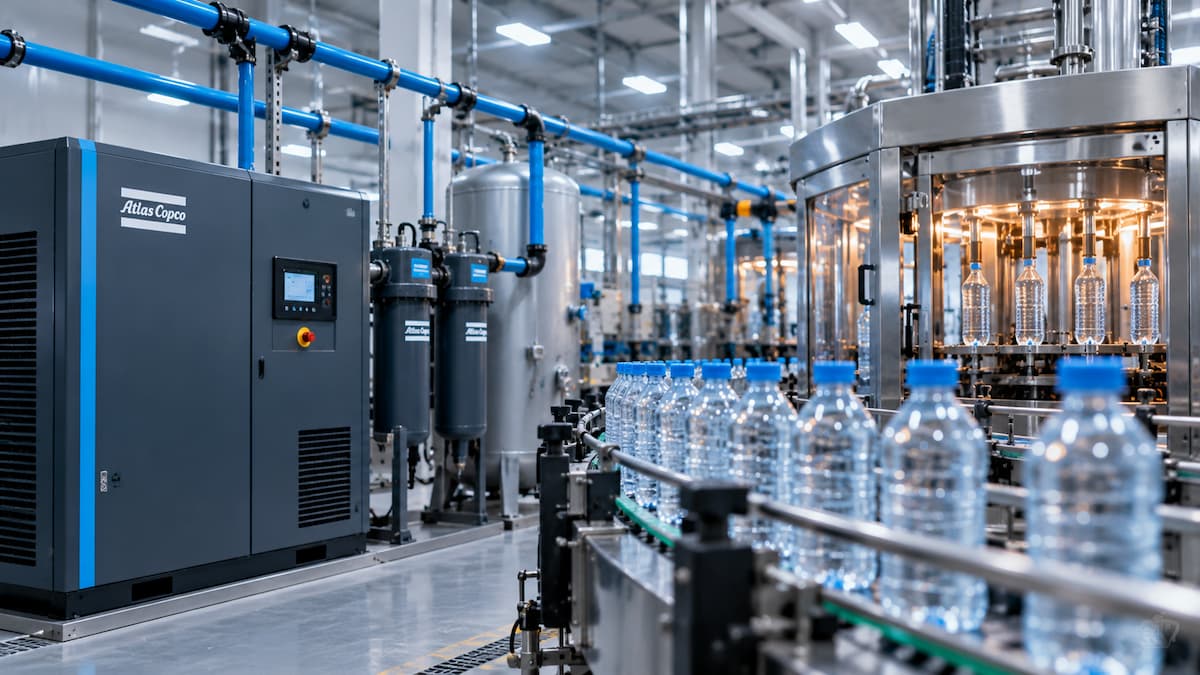
Very few applications run on a compressor alone. In most industrial settings, delivering high quality compressed air requires a full system made up of several components working together. To identify real opportunities for cost savings, it helps to look at the entire compressed air network rather than focusing on a single piece of equipment. This means examining every component involved in producing, treating, storing and delivering compressed air, along with the costs tied to each one.
It is also worth noting that a compressed air system should not be designed only around current needs. Businesses should plan for future requirements as well. If a company expects to scale up production or introduce new processes, the compressed air system should be sized and designed with that growth in mind. This is particularly important when selecting the right combination of equipment and determining the correct size for the piping network.
Below is a breakdown of each major component in a compressed air system and how it affects overall cost.
1. Air Compressors
The air compressor is the starting point of any compressed air system, but its purchase price represents only a small portion of its total cost of ownership. Since energy consumption accounts for the majority of long term costs, choosing a less efficient compressor to save money upfront is generally not a wise decision. An energy efficient air compressor typically proves to be the more cost effective choice over its full lifespan, even if it costs more initially.
The right type of compressor depends on how consistent the air demand is. If a facility has stable, predictable air demand, a fixed speed compressor may be sufficient. If air demand varies throughout the day, a compressor with variable speed drive technology is usually the better option, since it adjusts output to match demand and avoids wasting energy during low usage periods.
Larger facilities often require more than one compressor. Multiple units can be switched on or off depending on real time air demand, which provides greater flexibility and helps avoid running excess capacity when it is not needed.
2. Dryers and Filters
Air quality requirements vary depending on the application. For some processes, air quality is not a major concern. For others, particularly in industries such as food production and pharmaceuticals, maintaining high air quality is essential. Contaminants in compressed air can affect end products and can also damage downstream equipment through corrosion or buildup over time.
Skipping investment in proper dryers and filters may reduce costs in the short term, but it often leads to higher expenses later due to equipment damage or product quality issues. Selecting the correct dryer and filter technology for a specific application helps limit pressure drop as air passes through the system. As with compressors, energy consumption is the primary driver of the total cost of ownership for dryers, which is why dryers equipped with variable speed drive technology are worth considering for facilities looking to reduce long term costs.
3. Drains
Compressed air systems generate condensate that must be removed regularly. Intelligent zero loss drains release this condensate only when it is actually present, rather than on a fixed timer. Timer based drains often release air even when there is no condensate to remove, which wastes energy. Switching to intelligent drains is a straightforward way to reduce unnecessary energy loss over time.
4. Piping
The piping system that delivers compressed air throughout a facility is just as important as the equipment that generates it. Even a highly efficient compressor system will waste energy if the piping is poorly sized or has leaks. A properly designed piping system reduces air restrictions, minimizes pressure drop and helps limit air leakage.
Beyond selecting the right piping material, operators also need to choose between a ring main system and a branch system. A ring main system can deliver air from multiple directions, which helps maintain consistent pressure throughout the network. A branch system, on the other hand, delivers air in a single direction, supplying the closest equipment first. This can result in pressure drops further down the line, which may affect production at the far end of the system.
5. Air Receiver Tanks
Air receiver tanks store compressed air and help manage fluctuations in demand. When properly sized, a receiver tank can reduce false demand on the system, meaning the compressor does not need to work harder than necessary to meet short term spikes in usage. This can reduce or eliminate the need for additional compressors and helps stabilize overall system pressure. Adding pressure controls alongside receiver tanks further stabilizes the air network, reduces leakage and contributes to additional energy savings.
6. Ventilation and Energy Recovery
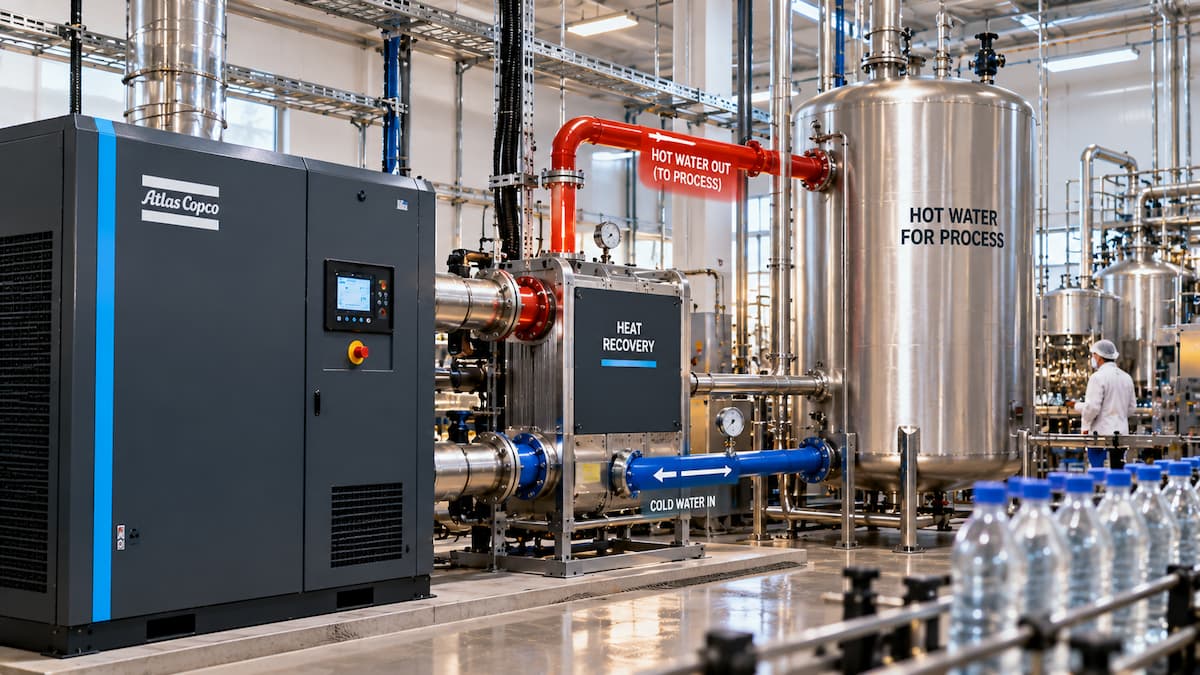
Many businesses invest carefully in their compressed air equipment but overlook what happens to the heat generated during the compression process. Proper ventilation reduces heat buildup in the compressor room, which in turn lowers overall energy consumption.
In many cases, the heat generated by compressors can be captured and reused elsewhere in a facility, such as for heating water, rooms or other production processes. Because ventilation and heat recovery can meaningfully affect a system's overall efficiency, it is worth consulting with experts before designing or upgrading a compressor room.
7. Air Leakage
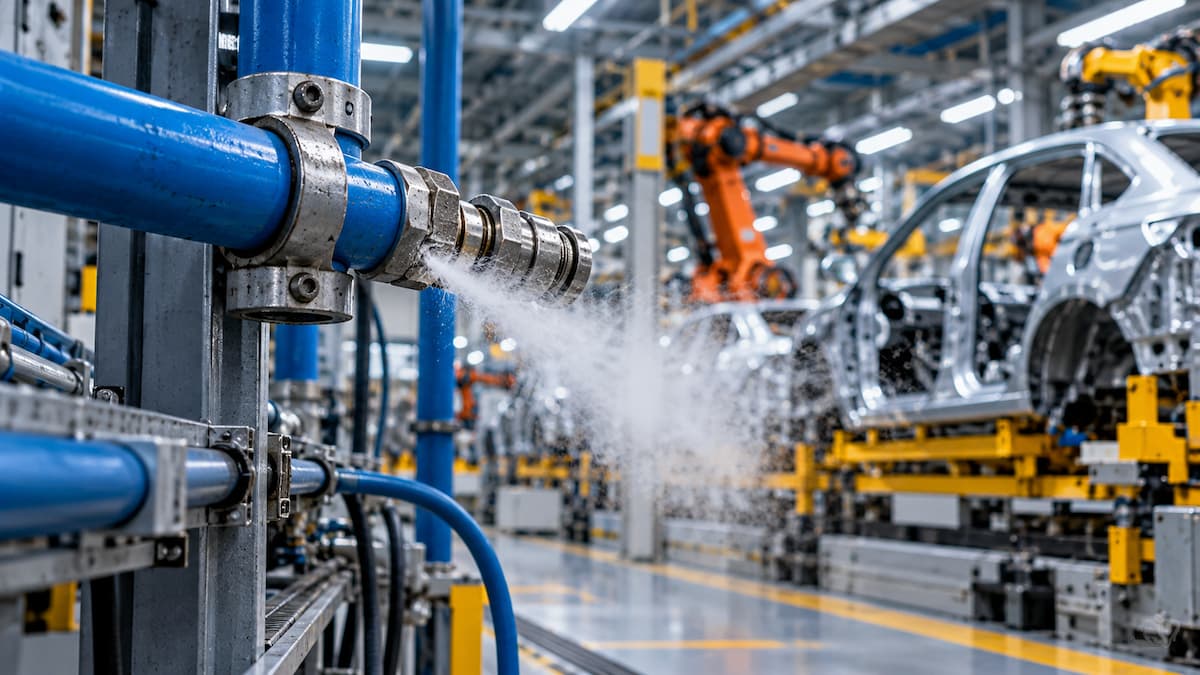
Even a well designed compressed air system requires ongoing monitoring once it is in operation. One of the most common sources of wasted energy is air leakage, which can cost businesses a significant amount of money each year if left unaddressed. It is important to note that increasing system pressure does not fix leaks. Raising pressure to compensate for leakage only increases energy consumption further without solving the underlying problem. Regular leak detection and prompt repairs are essential to keeping energy costs under control.
8. Central Controllers
Facilities that operate more than one compressor can benefit significantly from a central controller. These systems help manage multiple compressors together rather than operating each one independently. A central controller can narrow the pressure band across the system, which matters because reducing pressure by just 1 bar can lower energy consumption by around 7 percent. Central controllers also help regulate compressor capacity and adjust compressor speed based on real time demand, further improving overall system efficiency.
Lastly,
A compressed air system involves many interconnected components, and each one plays a role in determining overall cost. While it may seem like a lot to consider, a properly designed and well maintained compressed air system can significantly reduce a business's operating expenses over time. Planning ahead, choosing energy efficient equipment and addressing issues like leakage and poor ventilation are all practical steps that lead to long term savings.
Businesses that are uncertain about which components or processes would help optimize their compressed air system and reduce costs should consult with experienced specialists who can assess their specific operation and recommend the right solutions.