Upgrading industrial equipment requires an investment. This can make it tempting to continue operating an older air compressor, especially when the existing machine still produces compressed air.
However, the purchase price of a new compressor is only one part of the decision. An older compressor can continue to create costs through higher energy consumption, maintenance, downtime, inefficient operation, and limited production capacity.
For many industrial facilities, the real question is not only how much a compressor upgrade costs. It is also how much the company may spend by continuing to operate inefficient equipment.
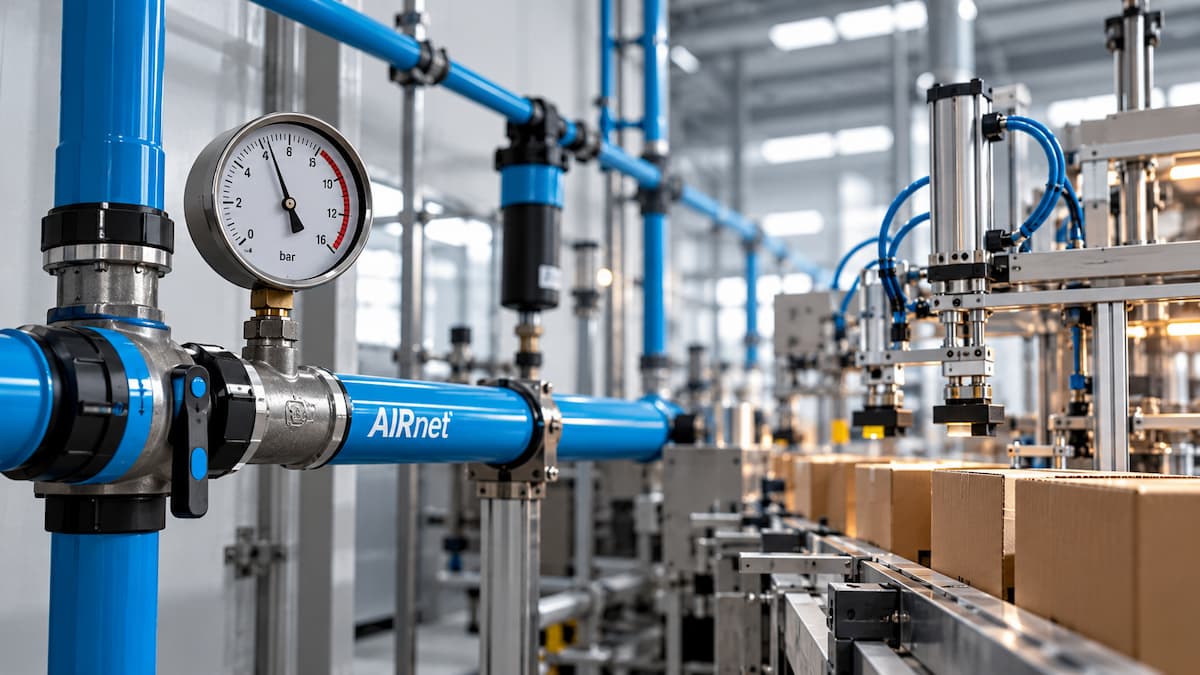
Compressed air is an important utility in many manufacturing facilities. It powers pneumatic tools, production equipment, automation systems, and other industrial processes. Because compressors can operate for long periods, their energy consumption can have a significant effect on operating costs.
A compressor upgrade can provide an opportunity to improve energy efficiency, reliability, production performance, and long-term operating costs.
What Does an Air Compressor Upgrade Mean?
An air compressor upgrade can involve replacing an older compressor with a newer and more efficient model. However, an upgrade does not always mean replacing only the compressor.
A complete compressed air system includes the compressor, air treatment equipment, storage, distribution network, controls, and the equipment that uses compressed air.
An upgrade may therefore involve:
-
Replacing an inefficient compressor
-
Adding a variable speed drive compressor
-
Installing a more efficient compressor technology
-
Improving compressor controls
-
Optimizing compressed air storage
-
Upgrading air treatment equipment
-
Repairing or reducing compressed air leaks
-
Improving the distribution system
-
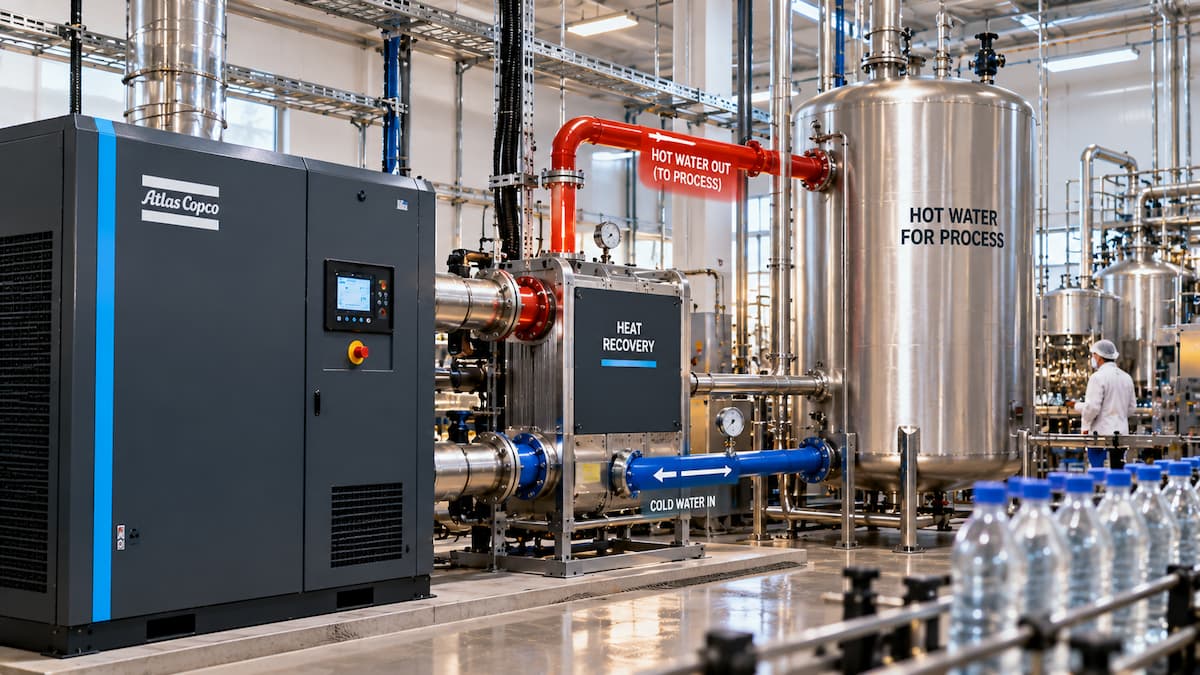
Recovering waste heat where suitable
-
Matching compressor capacity to actual air demand
The appropriate solution depends on the facility's air demand, operating schedule, pressure requirements, existing equipment, and future production plans.
The Higher Production Costs of an Old Compressor
One of the biggest costs associated with an inefficient air compressor is energy consumption.
The initial purchase price of a compressor represents only part of its total cost of ownership. Energy can account for a large portion of the cost of operating a compressor over its working life.
An older or poorly maintained compressor may require more energy to produce the same amount of compressed air as a newer, more efficient unit.
This can increase production costs year after year.
For example, a compressor that operates for several thousand hours each year can consume a significant amount of electricity. Even a relatively small improvement in efficiency can become meaningful when the equipment operates continuously.
This is why businesses should evaluate compressors based on their total cost of ownership, rather than looking only at the purchase price.
Higher Energy Consumption
Energy efficiency should be one of the main factors considered when evaluating an air compressor upgrade.
A compressor uses electricity to generate compressed air. The amount of energy required depends on factors such as:
-
Compressor efficiency
-
Air demand
-
Operating pressure
-
Running hours
-
Load and unload cycles
-
Compressor control method
-
Maintenance condition
-
Air leaks
-
Ambient conditions
-
System design
An older compressor may also operate inefficiently if the system no longer matches the plant's current compressed air demand.
For example, a facility may have expanded production after installing its original compressor. The existing equipment may then operate outside the conditions for which it was originally selected.
An energy audit can help identify these issues before a company invests in new equipment.
Rising Maintenance and Repair Costs
Energy is not the only cost associated with ageing compressor equipment.
As equipment gets older, components can experience wear and require more frequent maintenance. Depending on the compressor, these components may include the motor, compressor element, coolers, valves, seals, bearings, and other parts.
A single repair may not justify replacing a compressor. However, repeated repairs can increase the total cost of keeping an older machine in operation.
Maintenance costs should therefore be reviewed together with:
-
Repair frequency
-
Replacement parts
-
Service requirements
-
Labour costs
-
Downtime
-
Energy consumption
-
Expected remaining service life
If an older compressor requires major repairs while also consuming more energy than a modern replacement, an upgrade may be worth evaluating.
Unexpected Downtime Can Affect Production
An air compressor failure can affect more than the compressor itself.
If production equipment depends on compressed air, a compressor failure can interrupt manufacturing processes. The resulting downtime may lead to delayed production, missed delivery schedules, additional labour costs, or other operational problems.
The impact depends on the facility and the role compressed air plays in production.
Older equipment may present a greater risk of unexpected failure, particularly when maintenance requirements increase or critical components become difficult to source.
A compressor upgrade can be considered as part of a broader strategy to improve system reliability and reduce unplanned downtime.
Older Compressors Can Limit Production Capacity
Production requirements can change over time.
A compressor that was correctly sized when a facility was first established may not provide enough capacity after production expands.
New machinery, longer operating hours, additional production lines, or increased pneumatic equipment can increase compressed air demand.
Operating an undersized compressor continuously can increase stress on the equipment and may not provide the required pressure and air flow.
On the other hand, an oversized compressor can also waste energy if it spends significant periods operating at low demand.
The goal is not simply to install the largest compressor available. The goal is to match compressor capacity with the facility's actual and expected air demand.
The Cost of Compressed Air Leaks
Not every efficiency problem comes from the compressor itself.
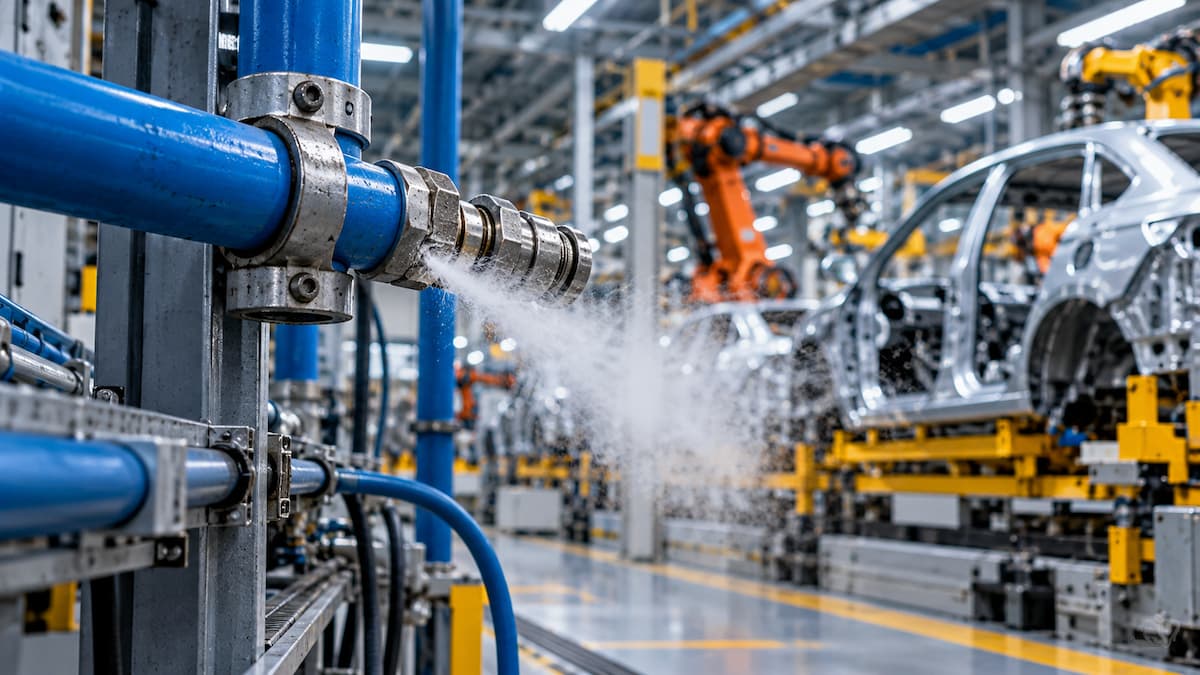
Leaks in the compressed air distribution system can cause the compressor to produce air that never reaches the equipment that needs it.
This can increase compressor running time and energy consumption.
Leaks can occur around:
-
Pipe connections
-
Hoses
-
Fittings
-
Valves
-
Couplings
-
Pneumatic equipment
-
Storage tanks
-
Distribution lines
A compressed air audit can help identify air demand and system inefficiencies before a facility decides to purchase additional compressor capacity.
In some cases, addressing leaks and other system problems may reduce the need for additional equipment.
Older Technology Can Reduce Energy Efficiency
Modern compressor technology can include features designed to improve efficiency under changing air demand.
Variable speed drive compressors, for example, can adjust motor speed to better match compressor output with demand. This can be useful in applications where compressed air demand changes throughout the production cycle.
Other technologies can improve compressor control, monitoring, heat recovery, and system management.
However, the benefits depend on the application. A new compressor is not automatically the right solution for every facility.
Companies should first understand their actual air demand and operating conditions before selecting equipment.
The Importance of Total Cost of Ownership
A common mistake is to compare compressors based only on their purchase price.
A more complete evaluation considers the total cost of ownership.
This can include:
-
Purchase cost
-
Installation cost
-
Electricity consumption
-
Maintenance
-
Repairs
-
Replacement parts
-
Downtime
-
Air treatment
-
System improvements
-
End-of-life costs
Energy costs can make up a significant portion of the total cost of operating an industrial compressor.
This means that a compressor with a higher initial purchase price may have different long-term operating costs than an older, less efficient unit.
The best way to compare the options is to evaluate the expected costs over the equipment's operating life.
An Upgrade Can Improve Energy Management
Energy management has become an important part of industrial operations.
Manufacturers are looking for ways to reduce unnecessary energy consumption while maintaining production output.
An efficient compressed air system can contribute to this goal.
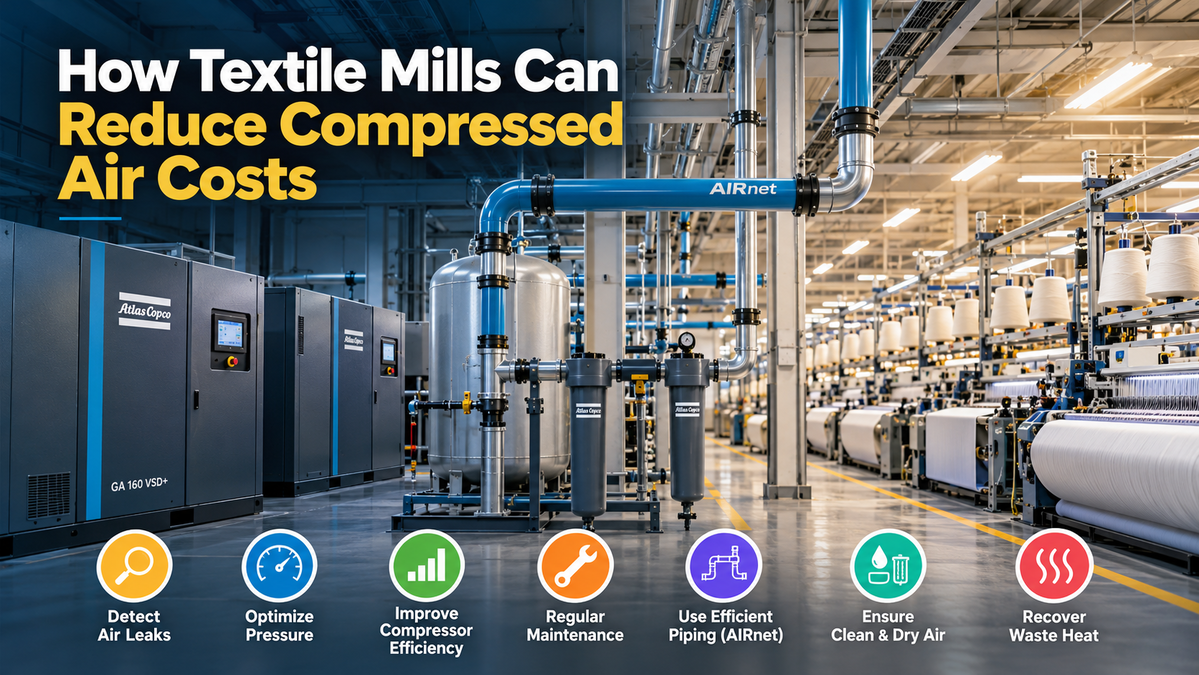
A compressor upgrade may be considered alongside other improvements such as:
-
Air leak detection
-
Pressure optimization
-
Compressor sequencing
-
Variable speed drive technology
-
Heat recovery
-
Improved air storage
-
Improved controls
-
Preventive maintenance
These improvements should work together as part of a complete compressed air strategy.
The Business Risk of Delaying an Upgrade
Delaying a compressor upgrade does not necessarily mean that money is saved.
Every year an inefficient compressor continues to operate, the facility may continue paying its energy and maintenance costs.
There can also be uncertainty around future repairs and component failures.
This does not mean that every older compressor should immediately be replaced. A well-maintained compressor that operates efficiently and meets production requirements may continue to provide useful service.
The important point is to evaluate the cost of continuing with the existing system.
A planned upgrade can also provide more control over installation timing. A company can schedule the work around production requirements instead of waiting for an unexpected equipment failure.
Preparing for Future Production Requirements
An air compressor upgrade should consider more than today's production requirements.
If a facility expects production to increase, its compressed air demand may also change.
Planning ahead can help companies evaluate whether the existing compressor system has enough capacity for future requirements.
Before selecting a new compressor, consider:
-
Current air demand
-
Expected future demand
-
Required pressure
-
Operating hours
-
Production schedules
-
Available installation space
-
Air treatment requirements
-
Compressor redundancy
-
Maintenance requirements
-
Energy efficiency
This approach can help prevent another capacity problem after a new compressor is installed.
Environmental Considerations and Energy Efficiency
Energy efficiency can also support a company's environmental goals.
Reducing unnecessary electricity consumption can reduce the energy required to operate the compressed air system.
Companies may therefore consider energy-efficient compressor technology as part of wider sustainability and energy-management programs.
However, environmental benefits should be evaluated using actual energy and operating data.
A compressor upgrade should be based on the facility's specific requirements rather than simply replacing equipment because it is older.
Are You Spending More by Not Upgrading?
The cost of not upgrading an air compressor can include more than the electricity bill.
It can involve:
-
Higher energy consumption
-
Increasing maintenance costs
-
Frequent repairs
-
Production downtime
-
Reduced efficiency
-
Limited production capacity
-
Difficult-to-source components
-
Higher operating costs
-
Unexpected equipment failures
These costs can continue for years if the condition of the compressor is not evaluated.
This is why an air compressor upgrade should be considered as a long-term operating decision rather than simply a capital expense.
How to Know if Your Compressor Needs an Upgrade
Before investing in a new compressor, collect data about the existing system.
Important information includes:
1. Energy consumption
Measure how much electricity the compressor uses during normal operation.
2. Running hours
Determine how many hours the compressor operates each day, week, and year.
3. Air demand
Measure the actual compressed air demand and identify periods of high and low demand.
4. Maintenance costs
Review maintenance records and calculate how much has been spent on repairs and servicing.
5. Breakdown history
Look at the frequency and duration of unexpected failures.
6. Operating pressure
Check whether the system operates at the pressure required by production equipment.
7. Compressor loading
Review whether the compressor operates efficiently under the facility's normal demand conditions.
8. Future requirements
Consider whether production expansion will increase compressed air demand.
This information can provide a clearer picture of whether continued operation or an upgrade makes sense.
Use a Compressed Air Audit Before Upgrading
A compressed air audit can help identify where energy and compressed air are being used across a facility.
Instead of making an upgrade decision based only on compressor age, an audit can provide data about the actual performance of the system.
An audit may examine:
-
Compressor energy consumption
-
Compressed air demand
-
Pressure levels
-
Load and unload patterns
-
Demand fluctuations
-
Air leaks
-
System inefficiencies
-
Operating trends
Atlas Copco iiTrak Audit
The Atlas Copco iiTrak audit uses data logging to evaluate compressed air system performance.
Data loggers can monitor the compressor and collect operating information over a period of time. Monitoring for 7 to 14 days can help capture different demand conditions, including weekday and weekend operation where applicable.
The resulting data can help identify actual compressed air consumption, demand peaks, operating patterns, and potential inefficiencies.
This information can then help a facility evaluate whether it should continue maintaining its existing compressor or consider an upgrade.
What Should You Consider Before Buying a New Compressor?
A compressor upgrade should begin with the application rather than the equipment catalogue.
Before choosing a new compressor, consider:
-
Required air flow
-
Required operating pressure
-
Daily and annual running hours
-
Variable or constant air demand
-
Available installation space
-
Air quality requirements
-
Cooling requirements
-
Energy efficiency
-
Maintenance requirements
-
Future production growth
It is also important to consider the complete compressed air system.
Installing an efficient compressor while ignoring major air leaks, incorrect pressure settings, poor controls, or other system problems may limit the expected benefits.
Conclusion
The cost of not upgrading an air compressor can extend far beyond the purchase price of new equipment.
An ageing or inefficient compressor can increase electricity consumption, maintenance costs, repair requirements, and the risk of production downtime. An undersized system can also struggle to meet changing production requirements.
However, age alone does not mean that a compressor needs to be replaced. The decision should be based on actual energy consumption, maintenance history, air demand, reliability, operating conditions, and total cost of ownership.
A compressed air audit can provide useful data before making an investment decision. By understanding how the system operates, businesses can identify inefficiencies and determine whether maintenance, system optimization, an overhaul, additional capacity, or a complete compressor upgrade is appropriate.
The key question is not simply how much a new compressor costs. It is how much the existing system costs to operate and maintain, and whether that cost is likely to continue increasing.