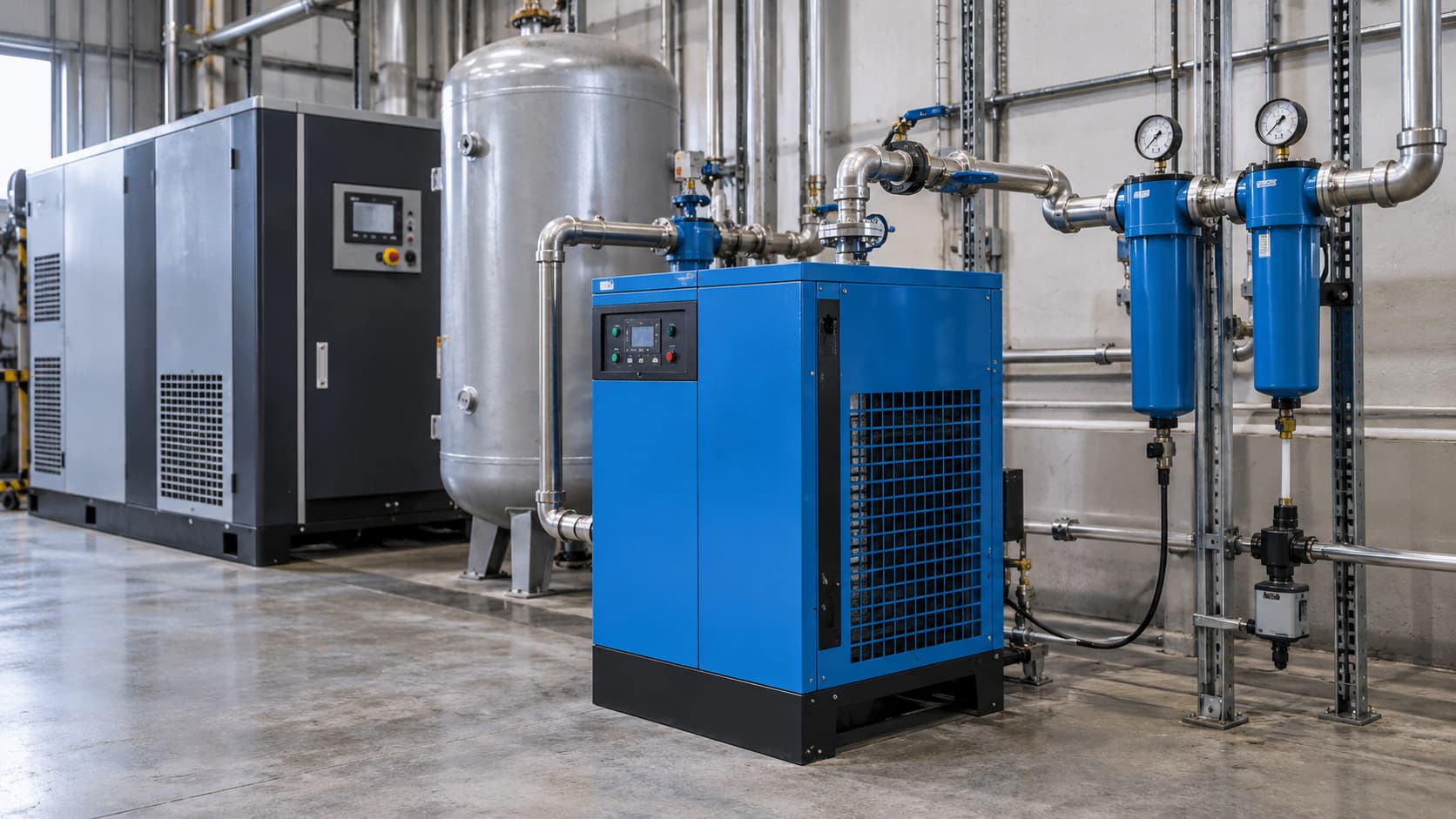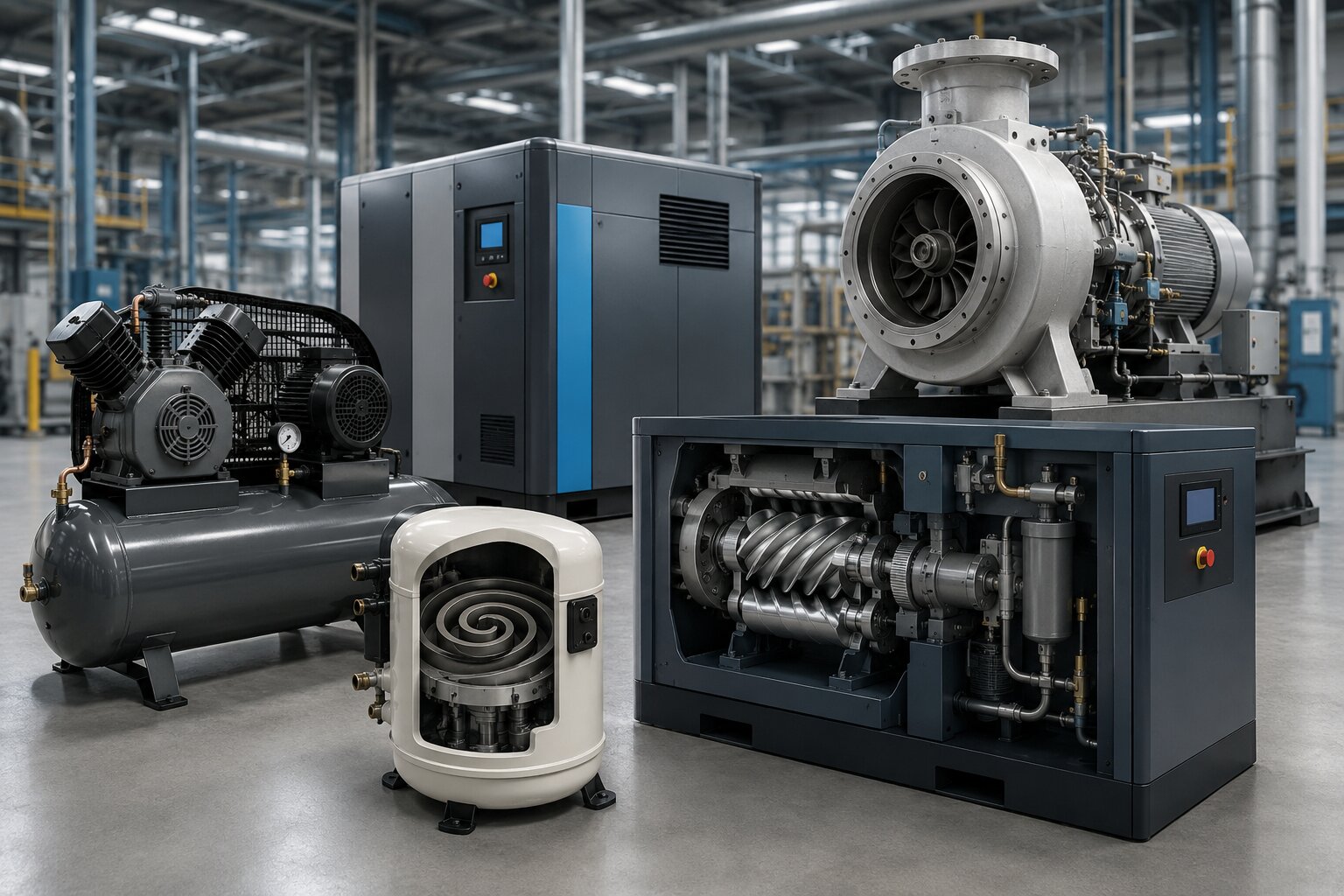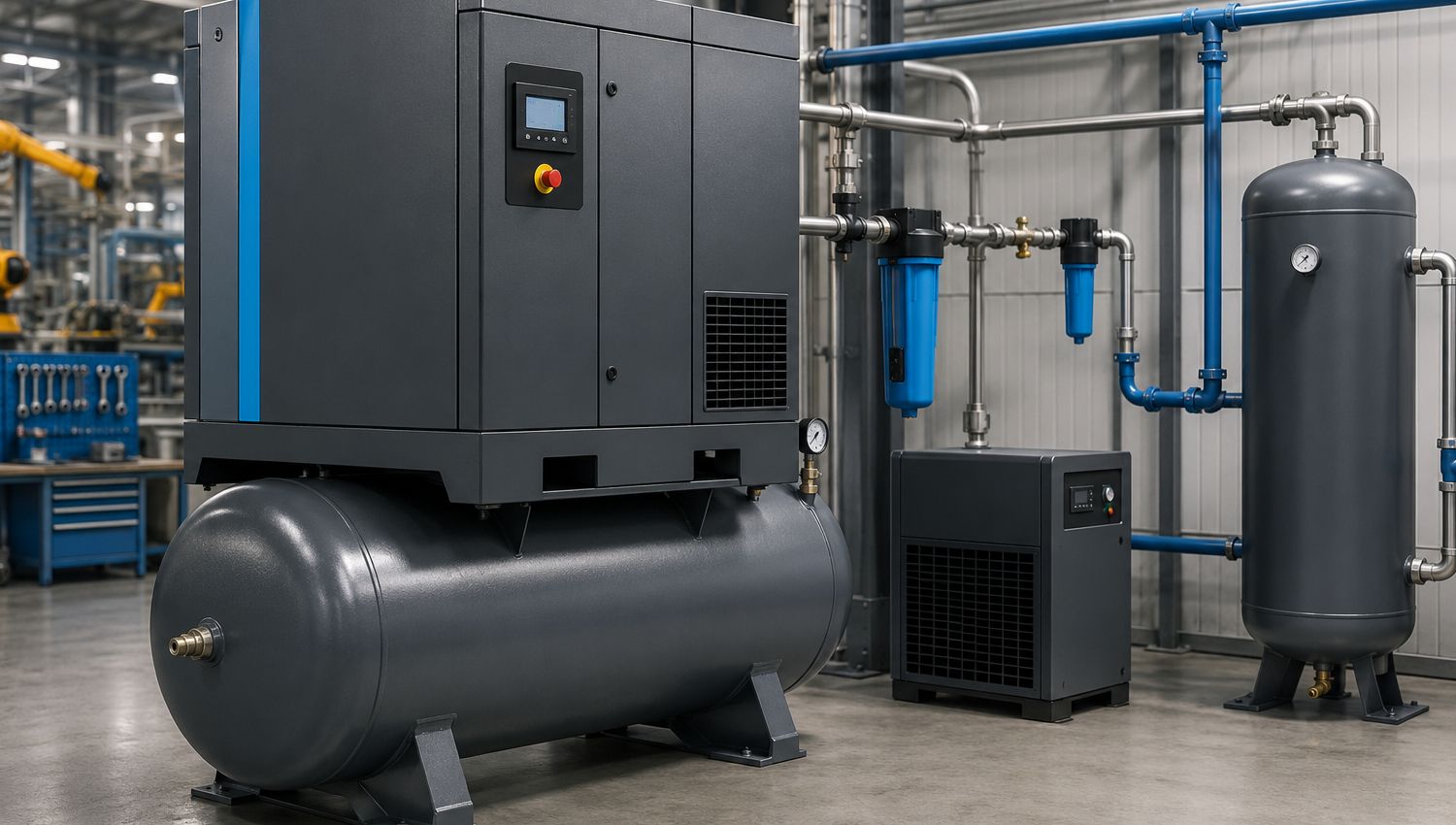
Industries across the world are under pressure to reduce operating costs and lower their environmental impact at the same time. For businesses that rely on compressed air systems, upgrading to a modern air compressor is one of the most effective ways to achieve both goals. Compressed air is often called the fourth utility in manufacturing, alongside electricity, water and gas, because it powers so many processes on the factory floor. When the equipment producing that compressed air is outdated, it affects everything downstream, from energy bills to production output.
Many industries hesitate to upgrade their air compressor because of the upfront cost. This concern is understandable, but it does not reflect the full financial picture. A new air compressor typically costs more to purchase than continuing to run an old unit, but the ongoing savings in energy, maintenance and downtime usually offset that cost within a few years. The return on investment for a modern air compressor is generally strong, and in many cases the equipment pays for itself through reduced electricity consumption alone.
A simple comparison helps illustrate this point. Traditional incandescent light bulbs are cheaper to buy than LED bulbs, but LED bulbs last far longer and use a fraction of the electricity. Over time, the LED bulb is the more economical choice, even though its purchase price is higher. The same logic applies to air compressors. An energy efficient air compressor may have a higher sticker price, but it consumes less power, requires less maintenance and operates for longer without major repairs.
Below are seven benefits that come from upgrading an old air compressor to a new one.
1. Energy Savings
Electricity is the largest ongoing expense associated with running an air compressor. In fact, electricity costs can account for as much as 80 percent of the total cost of owning and operating a compressor over its lifetime. The purchase price and maintenance costs make up a much smaller share of the total.
This means that even a small improvement in energy efficiency can lead to significant savings over the life of the equipment. Older compressors were not designed with today's efficiency standards in mind. They often run at fixed speeds regardless of demand, which wastes energy during periods of low usage. Newer compressors, particularly those with variable speed drive technology, adjust their output based on actual air demand. This reduces wasted energy and lowers monthly electricity bills. For most industrial facilities, the energy savings from an efficient air compressor are the single biggest financial reason to upgrade.
2. Higher Uptime
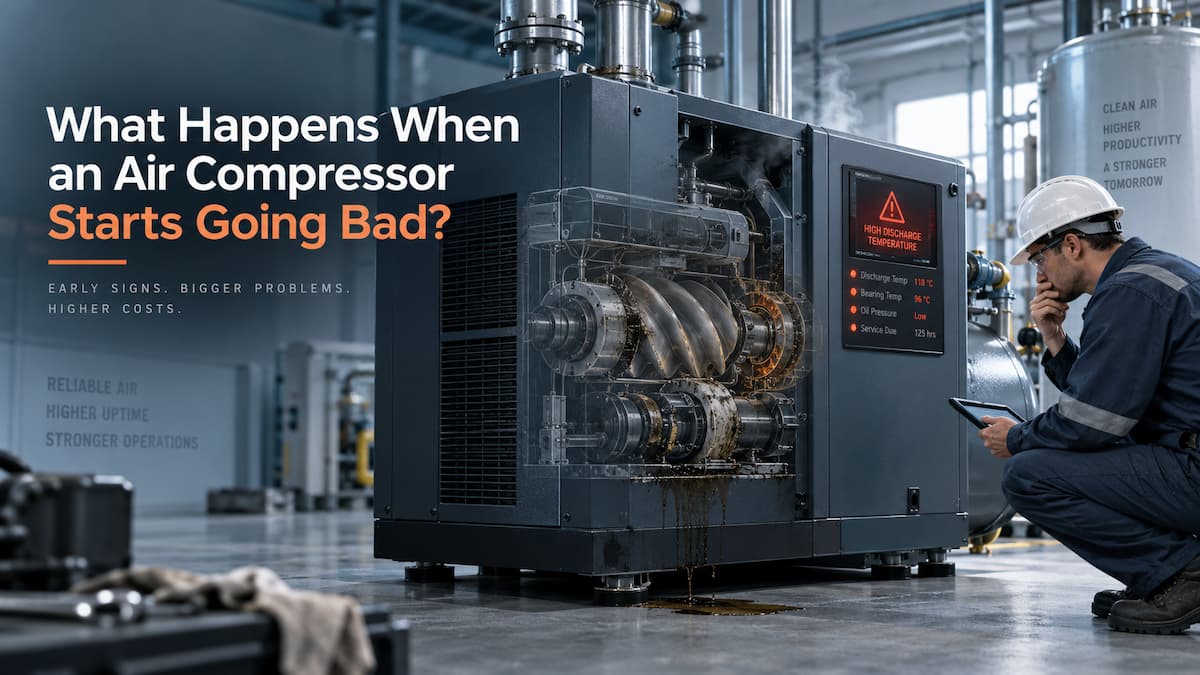
Unplanned downtime is costly for any manufacturing or industrial operation. When a compressor breaks down, production can stop entirely, leading to missed deadlines and lost revenue. Older compressors tend to require more frequent servicing and are more prone to unexpected failures because their components have degraded over years of use.
Modern air compressors are built with improved components, better filtration and more advanced monitoring systems. These features reduce the amount of time equipment needs to be taken offline for maintenance. Many new compressors also include predictive maintenance features that alert operators to potential issues before they cause a breakdown. This allows maintenance to be scheduled in advance, rather than dealing with sudden equipment failure. The result is more consistent production and fewer disruptions to daily operations.
3. Government Incentives
In India, the Bureau of Energy Efficiency has introduced the Perform, Achieve and Trade scheme, now in its sixth cycle, known as PAT Cycle VI. This program is designed to reduce energy consumption in industries that use large amounts of power, including sectors that rely heavily on compressed air systems.
Businesses that upgrade to energy efficient air compressors can benefit from incentives and support tied to these government programs. These incentives are designed to encourage industries to adopt equipment that consumes less energy, which in turn supports national efforts to reduce overall energy demand. For businesses considering an upgrade, these programs can shorten the time it takes to recover the initial investment, making the decision to upgrade even more financially sound.
4. Reducing Environmental Impact
Scientific research consistently shows that the planet is warming at a pace that is already affecting weather patterns and natural systems. Droughts, wildfires, floods and severe storms have become more frequent and more intense in many parts of the world. These events have direct consequences for agriculture, infrastructure and public health.
In response, many countries, including India, have set targets to reduce national carbon emissions in the coming years. Industrial energy consumption is a major contributor to overall emissions, and compressed air systems are among the largest energy users in many facilities. By upgrading to a more efficient air compressor, businesses reduce their electricity consumption, which lowers their carbon footprint. This is not only beneficial for the environment but also positions a company as a responsible operator in an industry that is increasingly expected to account for its environmental impact.
5. Reliability
Older air compressors are more likely to experience unexpected breakdowns simply because their parts have worn down over years of continuous operation. Seals degrade, valves wear out and internal components lose efficiency. Even with regular maintenance, an aging compressor becomes progressively less dependable.
A new air compressor starts with components that are built to current engineering standards and have not yet experienced years of wear. This translates into a lower likelihood of unexpected failure and fewer production losses caused by equipment breakdown. For industries where compressed air is essential to daily operations, this reliability directly protects revenue and helps maintain consistent output.
6. Attracting and Retaining Skilled Employees
Equipment quality affects more than production output. It also influences how a company is perceived by current and prospective employees. Younger workers entering the workforce are generally more aware of environmental and workplace safety issues than previous generations. Many actively seek employers who invest in modern, efficient equipment rather than continuing to rely on outdated machinery.
Companies that upgrade their equipment signal that they are forward thinking and willing to invest in their operations. This can make a business more attractive to skilled workers who want to build a career with an employer that takes both efficiency and environmental responsibility seriously. Over time, this can support recruitment efforts and reduce staff turnover, particularly in industries where skilled labor is difficult to find and retain.
7. Improved Health and Safety at Work
Older air compressors are more likely to produce excess noise, vibration and heat, all of which can affect the health and comfort of employees working nearby. Some older units also lack modern safety features such as automatic shutoff systems or improved pressure controls.
Newer air compressors are designed with occupational health and safety in mind. Reduced noise levels, better temperature management and improved safety mechanisms all contribute to a safer working environment. A safer, more comfortable workplace tends to result in fewer employee sick days and a workforce that is more energetic and productive. Over time, these improvements can also reduce the costs associated with workplace injuries and lost work hours.
At last
Upgrading an air compressor involves a real financial commitment, but the benefits extend well beyond the initial purchase price. Energy savings alone can offset a significant portion of the investment, and the additional advantages, including higher uptime, improved reliability, government incentives, environmental benefits, stronger recruitment potential and better workplace safety, add further value over the life of the equipment.
For businesses evaluating whether to replace an aging air compressor, the long term financial and operational benefits generally outweigh the upfront cost. An efficient air compressor is not only a practical investment for current operations but also a decision that supports a company's future competitiveness, workforce and environmental responsibility.