Blog
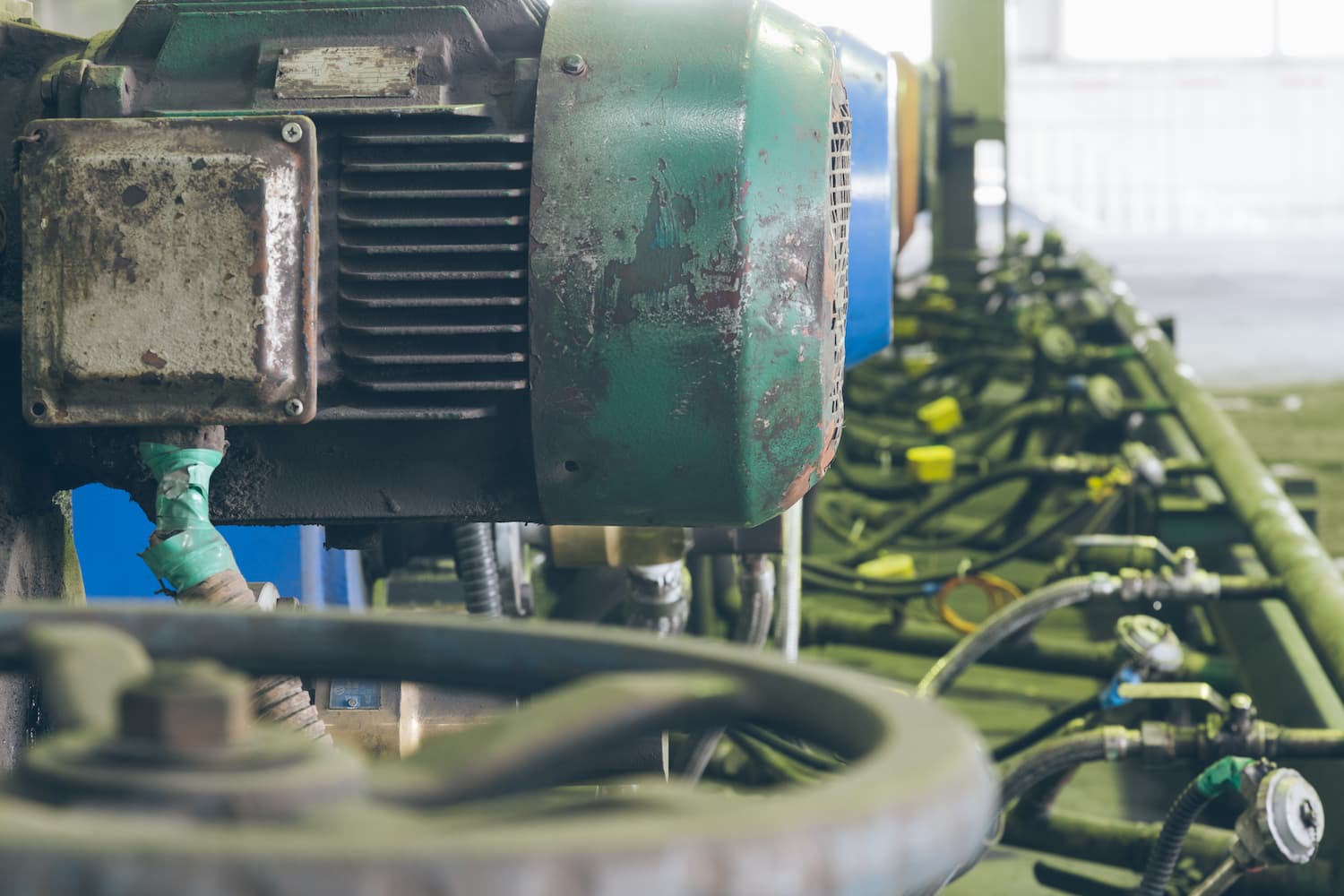
Oil-Injected vs Oil-Free Air Compressors: Which one does your industry need?
Not every plant needs the same kind of compressed air. A textile mill and a pharmaceutical cleanroom both run on compressed air, but the consequences of a trace of oil reaching the product are worlds apart. The choice between oil-injected and oil-free air compressors isn't about which is "better" — it's about matching the technology to what your air actually touches downstream.
This guide breaks down the real difference, where each technology fits, and how to avoid an expensive mismatch.
The Core Difference
In an oil-injected compressor, oil is deliberately injected into the compression chamber to lubricate, seal, and cool the rotating screw elements. It's efficient and cost-effective, but a small amount of oil carryover into the air stream is unavoidable without downstream filtration.
An oil-free compressor compresses air with no oil in the compression chamber at all — achieved through specially coated rotors or water-injected technology. The air leaving the compressor is certified Class 0 (per ISO 8573-1), meaning zero oil contamination, verified and certified.
Oil-Injected vs Oil-Free: Head-to-Head
| Factor | Oil-Injected | Oil-Free |
|---|---|---|
| Air Purity | Requires downstream filtration to remove oil traces | Zero oil contamination, ISO 8573-1 Class 0 certified |
| Upfront Cost | Lower | Higher |
| Running Cost | Lower energy cost per CFM | Slightly higher, but no filtration consumables |
| Maintenance | Requires regular oil changes and filter replacement | No oil system to maintain |
| Typical Lifespan | Long, well-proven technology | Long, with lower contamination-related failure risk |
| Best Fit | General manufacturing, fabrication, automotive | Pharma, food & beverage, electronics, packaging |
When Oil-Injected Is the Right Call
For general manufacturing, metal fabrication, automotive assembly, and most industrial applications where compressed air powers tools and pneumatic systems rather than touching a product directly, oil-injected compressors deliver excellent reliability at a lower total cost. The small oil carryover is easily managed with standard downstream air filters and dryers.
When Oil-Free Is Non-Negotiable
Some industries can't take the risk at all:
- Pharmaceutical manufacturing — any oil contamination risks product safety and regulatory compliance
- Food and beverage — compressed air that contacts packaging or product directly must be contamination-free
- Electronics manufacturing — oil residue on PCBs or components can cause defects and reliability failures
- Textile and pharmaceutical packaging — product-contact air lines require certified purity
A Note on Total Cost of Ownership
Oil-free compressors carry a higher upfront price, but the calculation shouldn't stop there. Factor in filtration consumables, oil disposal costs, and — critically — the cost of a single contamination incident in a regulated industry. For pharma and food & beverage buyers, oil-free often works out cheaper over a 5-year horizon once compliance risk is priced in.
How Airkom Helps You Decide
As an Atlas Copco authorised distributor, Airkom Agencies supplies both oil-injected and oil-free screw compressor ranges, and our team sizes the right system based on your actual air-purity requirement — not just CFM demand. We also supply the air dryers and filtration needed to complete an oil-injected system where oil-free isn't required.
Explore our oil injected air compressors and oil free air compressors ranges, or read more on why your compressor is only half the system.
Talk to Our Team About Sizing Your System | Sales: 9323863405
Frequently Asked Questions
Is oil-free compressed air actually 100% oil-free?
Certified oil-free compressors (ISO 8573-1 Class 0) are tested and verified to have zero oil content in the compression chamber, not just reduced levels achieved through filtration.
Can I retrofit an oil-injected compressor to be oil-free?
No. Oil-free compression requires a different rotor design and compression technology; it can't be retrofitted onto an oil-injected machine.
Which is cheaper to run — oil-injected or oil-free?
Oil-injected typically has lower running costs per CFM, but oil-free eliminates filtration consumables and oil disposal costs, narrowing the gap over the compressor's lifespan.
Do I need oil-free air if my compressed air never touches my product?
Usually not. If compressed air is only used for pneumatic tools or general plant utility, oil-injected with standard filtration is typically sufficient and more cost-effective.
What industries in India most commonly require oil-free compressors?
Pharmaceutical manufacturing, food and beverage processing, electronics assembly, and textile finishing are the industries where oil-free is most frequently mandated by quality or regulatory standards.